
Searching for the mouth of the Frome: An adventure in 60 minutes
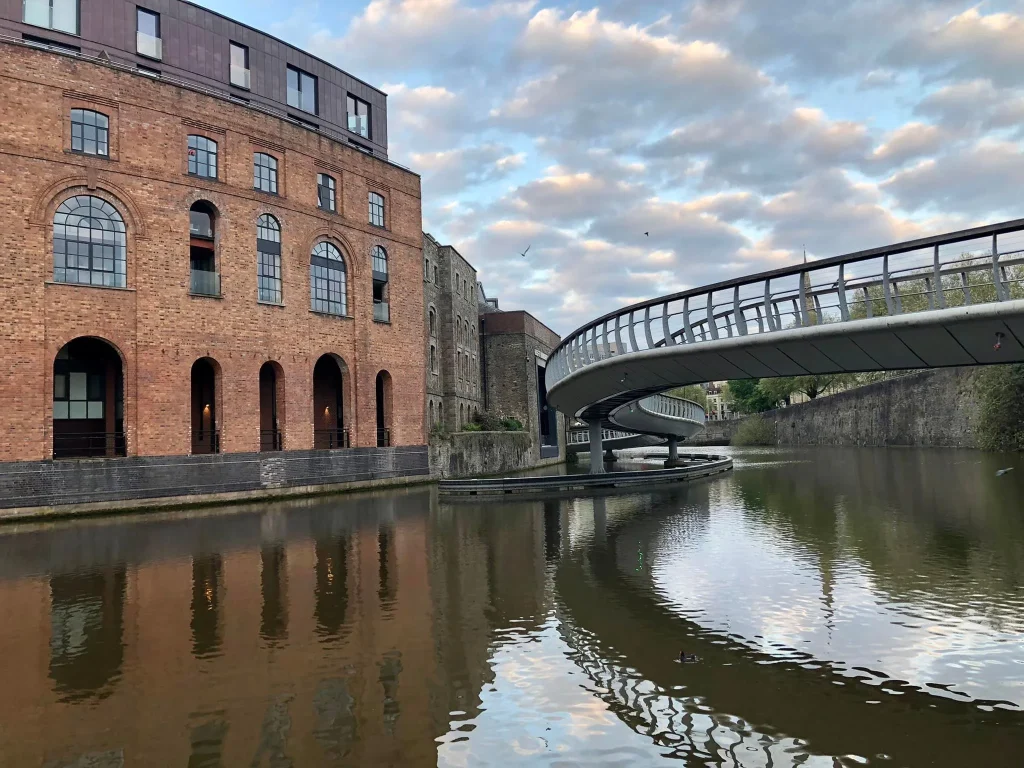
The choir were in full voice as we left the house in the soft morning light. Sparrows, robins, blackbirds, blue tits, and many more that I don’t (yet) have the skilful ear to pick out. One day, hopefully. To our right, the sky lit up pink over the southern tips of the Cotswold Hills as we drove into Bristol – like a giant bowl of Angel Delight. It was 5:30 am and the sun was already peeking out over the horizon. A clear sign that British summertime has arrived, in daylight terms at least. Increasing temperatures are sure to follow but, as I wished Lou goodbye for an hour whilst she took her final PT session before going on maternity leave, the air was crisp and chill. I had already set aside those 60 minutes for a short adventure, a quest to seek out the mouth of the River Frome. Hardly an adventure to rival Livingstone or Speke’s quest for the source of the Nile, but one I’ve been keen to put to bed for some time. I’ve walked and run the length of the Frome on a number of occasions. I’ve picnicked at the very spot where it emerges from the earth – revealing itself as a tiny stream next to an old oak tree on the western escarpment of the Cotswolds in the large Dyson country estate – the trickle of water clear enough to fill your bottle from. I’ve followed it as it meanders Bristol-bound, at times a millpond, a swamp, or a raging whitewater as it crashes this way and that over jumbles of boulders in narrow, steep-sided gorges. I’ve hugged its contours as it rolls into suburbia and through the beauty of our old backyard, before being tamed by mankind in its later stretches. Long abandoned quarries and mills reveal its industrial past but now, foliage grows wild and free, deer quench their thirst in the early morning, herons wade slow-motion in the shallows, and a blur of orange and blue tells you that a kingfisher has just darted its way upstream. As it enters Bristol, humankind’s attempts to tame it are evident. After the beauty of Oldbury Court Estate, Snuff Mills, and Eastville Park, the river oxbows around the edge of Tesco and Ikea before being imprisoned below the concrete pillars of the M32. It reappears again briefly on what was presumably once a little country lane, now a pedestrian and cycle route into the city centre just a stone’s throw from the motorway. It’s here that I pick it up, the coots calling out as they gracefully weave their way in between old trolleys and tyres. Following the route of the river with my eye, I see the office towers of the city bathed in golden light as the sun makes it mark on the world for the first time that day. Or on our bit of the world at least. A short way along the river enters a tunnel underneath the city but the path stays above ground. After crossing the road, I pick up River Street, so I know the waters are still flowing somewhere beneath my feet, imprisoned by a wall of bricks and concrete. At the end of River Street, I cross the usually busy main road, still quiet before the rush hour hum, and enter a deserted Cabot Circus shopping centre. It’s as if I’ve stepped into a zombie apocalypse movie, the only sound and movement from the occaional pigeon or seagull. There’s a strange beauty to this cityscape that’s amplified by the lack of activity. The sharp edges of the towering buildings. The vast quantities of plate glass, still inky black as the sun hasn’t yet penetrated this manmade gorge. The dark glass stands in stark contrast to the bright neon lights of the shop signs that do their job by drawing your eye, although I couldn’t shop if I wanted to as the world is yet to join me in this cathedral of commercialism. I exit the shopping centre, the only sign of life a lone street cleaning cart, whirring away and momentarily breaking the silence. The modern buildings are occasionally interspersed with delightful titbits of history, the architectural joy that is the Klosterhaus cafe, housed in an 18th century Quaker meeting room, and the grand colonial-style almshouse that now houses Jack Wills clothing rather than those in need of shelter. Before long, I’m in the green surroundings of Castle Park and the noise of the street cleaner has faded into the distance. I’ve been here before when I’ve started my Frome River walks and runs, but I’ve never seen its final moments of existence before it ceases to be and its molecules of water are magically transformed in an instant into the River Avon. I wander through the ruins of St Peter’s Church, bombed during the Second World War and now surrounded by a beautifully maintained flower garden with water features and benches that serve as a great spot for quiet contemplation or just a morning coffee. Past the last remaining foundation stones that once formed part of the great castle that once stood here and give the park its name, and the more impressive vaulted chambers tucked away in a corner behind a small green knoll. I know I’m close and I make my way down to the waterside, standing on a pontoon underneath the impressive modern architecture of the serpent-like Castle Bridge, a recent addition to lead pedestrians off into a refurbished industrial quarter now brimming with apartments, micro-breweries, and restaurants. A few more people are appearing now, smartly dressed early starters slowly filing into the surrounding offices. I look for evidence of the river that once acted as one side of the castle moat but all I can see are a few little inlets that seem to go nowhere. Running out of time and thinking that the final few feet of this river that I know so well will once more


