
X reasons why herbs are great for your health
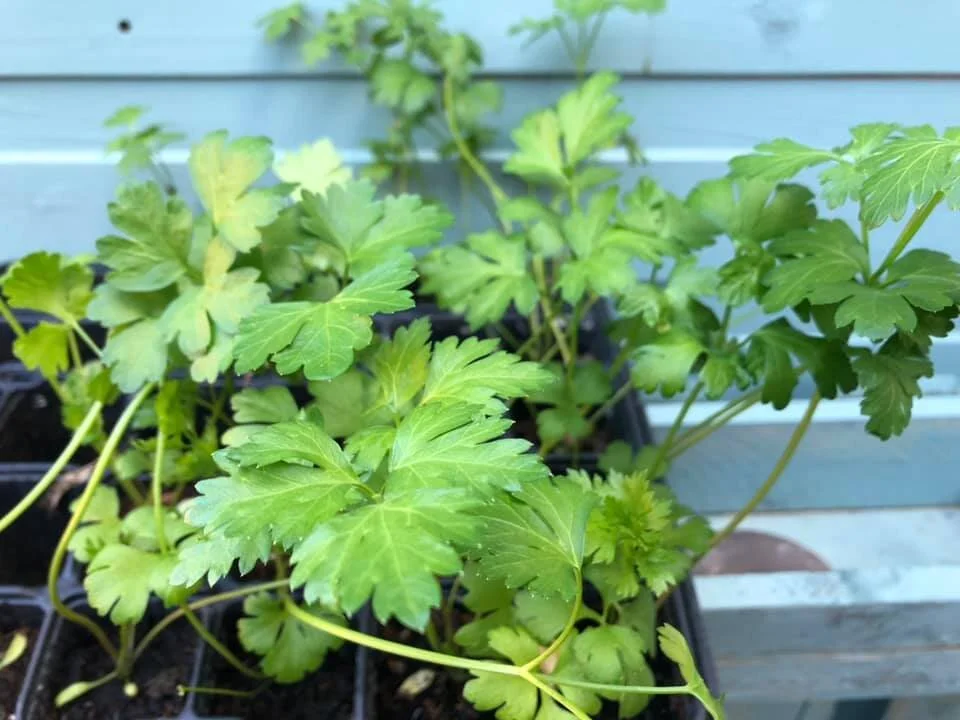
One of our sage plants in full bloom on our allotment. The term ‘herb’ describes a huge range of plants. A herb can be described as any plant with leaves, seeds, or flowers that are used for flavouring, as a food, in perfume, or as a medicine. In botanical terms, a herb is any seed-bearing plant that does not have a woody stem and that dies down to the ground after flowering. They’ve been a huge part of human medicine, diet, and culture for millennia, but many of their wonderful benefits have been forgotten in our modern world of heavily processed foods. Let’s take a look at some of the key benefits of growing herbs and/or adding more of them into your diet: Some flat-leaf parsley given to us by a lovely neighbour. Nutrients Probably the most obvious benefit of adding herbs into your diet is the vast abundance of health-giving nutrients that they provide. Herbs are amongst the highest antioxidant-containing foodstuffs on the planet. They’re also rich in other phytonutrients (plant goodies)! Rosemary, for example, is a good source of ursolic acid, which has been shown in studies to shut down a substance in your body that increases inflammation and cell damage. Ginger and turmeric contain similarly helpful nutrients. And it’s not just decreasing inflammation that herbs are helpful for. Here are some other great benefits that they can boast on their CV: The high antioxidant levels can help to protect against ageing and heart disease. Antioxidants and other nutrients like phytoestrogens may play a powerful role in your body’s ability to prevent cancers. They help to keep your immune system strong and healthy. They also have antibacterial and antimicrobial properties, meaning they can help to prevent infection and aid healing. I’d say those were some pretty good reasons to add more herbs into your diet. But what else can they do? Taste without the calories When we want to add taste to our meals, it’s easy to reach for sauces, mayonnaise, and other dressings. And, whilst they can make your meals tasty, they’re often high in calories. Cooking with herbs or sprinkling them onto meat, fish, vegetables, and salads can give you powerful flavour with a lot fewer calories. Herbs do, of course, still contain some calories (all foods do), but opting for herbs that are nutrient-rich without being energy-dense is a much healthier choice. Taste without the salt One of our other favourite go-to’s when it comes to flavour is salt. There’s nothing wrong with salt of course. It’s a good source of nutrients including sodium, which is essential in your body. But, too much sodium can increase the volume of water in your bloodstream and, over time, raise your blood pressure. Herbs like rosemary, thyme, or spices like paprika (more on these another time) make great seasonings for meals and improve your health at the same time. Aromatherapy Herbs smell good. Wandering through your herb garden, or even just growing a few in pots on the windowsill, is a great way to give your nostrils a hug! The strong aroma of peppermint may help to fight nausea, and lavender is well known for its ability to help you relax and sleep better. Garlic can help in all sorts of ways, not least in fighting off vampires! 😉 Recipes Maybe I’ve got you thinking that you might want a few more herbs in your diet. If so, here are a few great recipes I’ve found on the web. Allrecipes.com – a wide range of salads, sauces, pestos, and chutneys all made with herbs. 10 great herb recipes – something for everyone with mains, snacks, desserts and teas made from herbs. Making the most of fresh herbs – I love the herbs in ice cubes idea here for extra flavour in your cool summer drinks!
Welcome to the new Weekly Wellbeing Challenge
I’ve been doing lots of reading recently around the psychology of change; what it is that motivates us to do things differently. One thing that consistently comes up is competition. I shared an article on a scientific study on this very subject this morning on the balance Facebook page. The authors of the study created an 11-week exercise programme and split the participants into either competitive or supported groups. Amazingly, those in the competition groups had a 90% higher attendance rate, a huge difference. This got me thinking that maybe I could set you all some challenges each week where you could compete against yourself, or others if you wish. Here’s the first… The Fruit & Veg Alphabet Below are 26 fruits and vegetables, starting with every letter of the alphabet (I’ve had to be inventive with certain letters). Your challenge for the week ahead is simple; see how many of these you can eat: Apple Banana Carrot Dates Eggplant (American name for an aubergine) Fennel Grapes Haricot beans (baked beans are allowed) Iceberg lettuce Jerusalem artichoke Kiwi fruit Leek Mushroom Nuts (yes, they are actually fruits!) Olives Peas Quince Raisins Satsuma Tomato Ugli fruit Vine leaves Watermelon Xingzi (I’m cheating here but this is a Chinese word for the apricot) Yams Zucchini (courgette) Here’s how the scoring works: 0-7: There’s definitely room for improvement 8-14: You’re on the way to balance 15-20: You’ve balanced your week well 21 or more: You’re a master of balance By getting as many of these fruits and vegetables into your diet as you can, you’re providing yourself with a wide range of vitamins, minerals, antioxidants and other brilliant nutrients. Hitting your 5-a-day might just reduce your risk of heart disease and strokes by as much as 20-25% compared to those eating less than 3 portions. That plus a review of the research into fruit and vegetable consumption found that those with higher intakes potentially decreased their risk of gut health problems, constipation, high blood pressure, high cholesterol and free radical damage to the blood vessels, osteoporosis, blood sugar imbalances, eye damage, respiratory disease, mental health problems and weight gain…pretty good stuff then! I’ll be sharing my progress on Facebook across the week so please do join in and let us know how you’re getting on and share any hints and tips you have to get more fruit and veg into your diet. Good luck!
Surprisingly ‘super’ foods
These days the term ‘super-food’ is pretty common. You’ll hear it in relation to a berry only found growing high in the Himalayas, a bean that South American tribes have been cooking with for centuries, tribes where the average life expectancy is reported to be about 150, or a fruit that is reported to contain more Omega 3 than a school of mackerel and looks like it comes from outer space. There’s likely nothing wrong with these foods of course, they’re fruit, vegetables, nuts and seeds after all, but you’ll likely pay a fair price for them to be transported from the far reaches of the planet and packaged in recycled brown paper with pictures of snow-covered mountains and beautiful sunsets. If you want some super foods, it is possible to look a little closer to home. There’s a range of fruit and vegetables cultivated in Britain and Europe that could easily be considered super, they just haven’t got the right agent! With a little marketing support they could easily be found in those articles in glossy magazines telling you the secret foods that Jennifer Aniston eats to stay looking so young and thin. Here’s just a few of the foods that I’d promote from their standard ‘non-league’ persona at present to stars of the ‘Garden Premier League’. 1) Peas With 40% of your daily vitamin K, a third of your manganese needs and 30% of your vitamin B requirements in just one cup of peas, I think super is a fair description. Add to this the discovery that coumestrol, a nutrient found in peas may protect against cancers and that saponins, antioxidants present in these delicious green pods could play a role in preventing and managing type 2 diabetes. Peas frozen straight from picking are easy to store, unbelievably simple to cook and they go with almost any evening meal. 2) Apples An apple a day may actually help to keep the doctor away, or to quote the original 150-year old version of this rhyme: “Eat an apple on going to bed, and you’ll keep the doctor from earning his bread.” Apples contain vitamins A, C and E and the nutrients quercetin and pectin. The former has been linked with everything from decreased risk of cancer to heart disease and Alzheimer’s, while the latter is a soluble fibre shown to lower blood pressure and blood sugar levels. 3) Potatoes Those of you who have read my post sin recent times will know I’m a proud supporter of the humble spud. In many comparisons it beats its celebrity cosine the sweet potato and it’s so versatile, tasty and cheap that you’ll often find it in my trolley. Spuds have probably had bad press because they often get a makeover that results in them being transformed into a chip or a packet of crisps, but baked, boiled or mashed they’re a great addition to many classic meals and a good source of nutrition too. 4) Blackberries The thing I really love about blackberries, apart from their nutritional content and their great taste, is that for a month every year you can pick enough of them to freeze and eat the whole year round. I’ve done this previously and it saves a couple of quid each week on my shopping. At this time of year you’ll need to buy them, but they’re worth it. The rich blue colour means you’ll find plenty of antioxidants inside with plenty of vitamins C and K to keep, amongst other things your immune system strong and blood working as it should. 5) Onions Onions are rich in nutrients known as flavonoids, in fact pound for pound they contain more of these wonderful little things than most. They’re also high in sulphur which is essential for keeping bones, connective tissues and muscles healthy. They’re sooooo cheap and can be added to salads, stews, stir-frys and just about anything you can think of, with Michael Ruhiman describing them in his book ‘The Elements of Cooking’ as ‘perhaps even the most important ingredient.’ For use in stock, to add flavour, as a paste, or just to eat in their own right, add a few to your trolley and plates each week. 6) Oranges Not that long ago, oranges, like bananas, were one of those foods considered a delicacy as they were shipped in from abroad. Getting one in your Christmas stocking was a real treat but nowadays they’ve lost out in their popularity stakes to foods equally rich in vitamin C but a little more exotic like kiwi. As well as vitamin C there’s a host of B-vitamins, phosphorus, magnesium, manganese, selenium, copper, choline, zeaxanthin, and of course carotenoids or vitamin A that are found in red, orange and yellow foods. This wondrous combination of nutrients has been linked to better sleep, decreased risk of cancer, stroke, heart disease, high blood pressure, diabetes and healthier skin. Not bad eh? Super some might say. 7) Rocket This peppery little salad leaf has been shown to have medicinal properties in the treatment of stomach ulcers. These days it’s just considered a cheap addition to a side-salad, but it’s flavour and nutrient-rich content means it should get a bigger billing. Maybe if it used one of it’s alternative names like arugula or rucola it’d get better press? Like Prince or good old Reg Dwight, aka Elton John, a name change can make such a difference. 8) Carrots A recent Dutch study suggested that orange-coloured fruit and vegetables appear to have the strongest protective effect against heart disease. Just one portion of carrots has your body’s daily recommendation for vitamin A sorted so maybe that’s one of the reasons. Try them steamed to keep in as many of the nutrients as possible and maintain their fresh taste at the same time. 9) Mint From experience I can say that mint is without doubt the easiest herb to grow. In fact it’s the hardest one to stop growing! Keep it in pots so that your
Super foods: fact or fiction?
You can’t have failed to escape the press coverage over the last few years about ‘super foods’ and all of the good things that they contain. The idea is simple; these foods are supposedly healthier than their counterparts because they contain high levels of a wide variety of substances, including: • Vitamins • Minerals • Isoflavones and flavonoids • Phytoestrogens • Polyphenols • Antioxidants You’re probably thinking, they all sound very fancy, but what are they and what do they do for me? Well, without getting too complicated, here’s a brief description of each and their importance. Vitamins These are a diverse range of organic compounds that the body needs to get from diet to be able to work properly. They help your body do everything from grow and repair to producing energy and boosting your defences against disease. Minerals These are different to vitamins as they are inorganic, that is they have never been alive. The body still needs them to function and stay healthy though. They are always solids and made up a range of chemical elements. Sodium and potassium are examples of minerals, and roles include maintaining fluid balance in your body, ensuring your heart pumps effectively and building strong bones and teeth. Isoflavones, flavonoids phytoestrogens and polyphenols A range of compounds that you get from things that were alive, namely plants and animals, the latter containing them because they have eaten plants. These compounds have a lot in common with vitamins; in fact flavonoids up until the 1950s were often referred to as vitamin P. Today you’d probably only use that term in relation to the colour of your wee when you’ve taken your effervescent vitamin c tablets! Collectively, any nutrient that comes from a plant is called a phytonutrient. Antioxidants Have you ever watched Star Wars? It’s the classic battle of good versus evil, light versus dark. Inside your body there’s an interstellar war going on every day to keep you in balance. An army of Antioxidants, think of them as Jedi Knights, defend you against Free Radicals, or Darth Vader’s army, hell bent on destruction. As you know, your body needs oxygen to survive, that’s why we have to breathe to live. Unfortunately, oxygen is a highly reactive substance. We know this as we can see the effects it has on cars and boats over the years. As they are exposed to air and water, they begin to rust, and there is a process that occurs in your body every day known as oxidation, which is effectively internal rusting. It is one of the things that causes you to age. This process occurs as a result of using oxygen to produce energy for life. As a consequence, free radicals are produced. These are atoms that have effectively lost an electron and as a consequence go a little bit haywire, or to use our earlier analogy, have gone over to the dark side. They search around the body looking for another electron to get back into balance and back to the light. In their efforts though they can leave behind a path of destruction. Your antioxidant defence system come armed with spare electrons, which they donate to any free radicals that they meet, turning them back into stable atoms that function normally. Remember when Darth Vader becomes good again in Return of the Jedi? This happens in your body every day, as long as you have the right amount of antioxidants available to defend you. And this is where the notion of ‘super foods’ comes from, with some things that you can find on the supermarket shelves containing a wide range of these healthy substances. It certainly cannot be argued that some foods contain a massive amount of these health-promoting goodies and it is worth having them in your diet. The truth is though that your body needs a wide range of these nutrients to function at its best; as with everything it’s about balance. You can eat tonnes of blueberries, knowing that they’re packed full of antioxidants, but if this is all you eat you won’t be getting many of the other substances that you need. Instead of thinking about super foods, focus instead on Super Diets, consuming a wide range of plant substances to give your body everything it could possibly need to stay healthy, grow and function at its best. Remember here that the word diet simply means the foods that you eat; it has absolutely nothing to do with restricting foods or calories. How are super foods measured? One helpful measurement is the ORAC value of a food, or the Oxygen Radical Absorption Capacity. This tells you how many free radicals a food can turn back from the dark side, stabilising them and decreasing the risk of damage to your body. So which food is the Yoda or Luke Skywalker of your diet? Learn about the ORAC values of different foods here. Below I’ve provided you with ten foods that can contribute effectively towards a Super Diet. You’ll notice that there a wide range of colours on show here and a great little rule to remember is the ‘Rainbow Rule’, ensuring that your shopping trolley always contains foods that are a wide range of colours. Sorry to disappoint you here, but Skittles don’t count! Image courtesy of Kangshutters/FreeDigitalPhotos.net 1) Broccoli Extremely rich in vitamin C, as well as good amounts of vitamin A, B6 and calcium. All dark green vegetables are a superb source of folic acid too, particularly essential for women during pregnancy Perfect with stir-fries or traditional roast dinners 2) Blueberries Rich in flavonoids called anthocyanins, blueberries have been shown to be effective in reducing blood pressure and managing blood sugars to help control diabetes Perfect as a healthy snack or in yoghurts or porridge 3) Tomatoes High in levels of lycopene, an antioxidant that has been strongly linked with cancer prevention. Also a good source of vitamin C A food that pretty much goes with anything, from salads to sandwiches, or even roasted and served with fish 4) Kale Just 50 grams will give you your daily requirements of vitamin A and C, helping with your immune system, eye health and a host


