
Our journey to more sustainable living: What’s gone well? And what can we still improve?
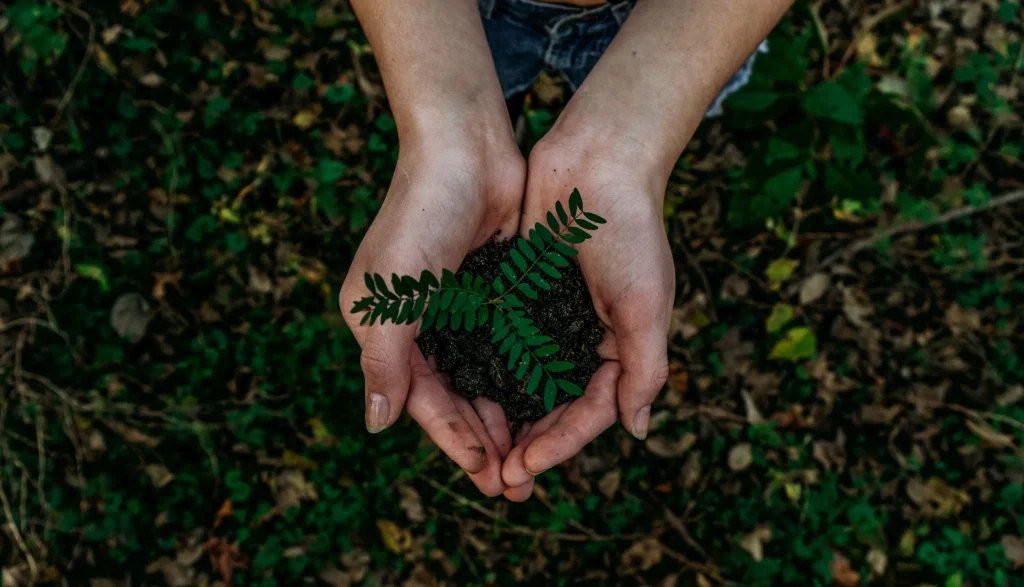
Climate change has been at the forefront of everyone’s minds in the past few years and the spotlight has been on it even more this past few weeks as the governments of the world came together for the COP26 summit. I’ve always loved being out in nature but, I’ll be honest, my awareness about the importance of living more sustainably and my drive to do so have only really developed in the past few years. For me, you won’t be surprised to learn that it began with health and wellbeing. Keeping fit and healthy, and helping you and others to do the same has been my driving force throughout my adult life. As I began to take people out on adventures in the wilder places around the UK, I noticed how refreshed, energised, relaxed, and happy they became as a result. Nature had incredible powers. Inextricably linked Around the same time, I also started to realise how closely bound together our own health and wellbeing was with that of our planet’s. Our food comes from the soil and from the sea. Damage those and we have a big problem. I began to understand how everything in nature lives in harmony, in balance you could say. We need bees and other insects to pollinate our food. In fact, we require all creatures to sustain the web of life and the delicately balanced food chain. It is this complex but amazing interaction between every living thing on earth that sustains the great biodiversity of our planet and ensures that we have air to breathe, water to drink, food to eat, and resources for shelter, clothing and everything else we need. The loss of just one tiny element can be catastrophic to our own wellbeing. I also began to read the research on the impact that time in nature can have on not just your physical wellbeing, but your mental wellbeing too. It blew me away! It was at this point that I begin to think seriously about my own habits feed into this cycle that damages our soil, our seas, our natural environment and our air. I started to think about how I shopped, how I travelled, how I ate and how much I consumed. I have never been in a position to preach on this topic, and I know from experience when it comes to health and fitness that preaching tends not to help others to change anyway. Instead, I set out to see if I could l change my habits in a way that would protect the environment, to share my journey with you all, and to see if I could find out just how much a difference each of us could make through the development of tiny new habits. I knew well that tiny changes sustained over time could massively impact someone’s health for the better, so I assumed that tiny changes made by enough of us over time could help our planet for the better too. Do tiny habits make a difference? I really think they do and here’s why. I recently read Chris Packham and Meg McCubbin’s book, Back to Nature: How To Love Life, and Save It. In it, they explain that the total area covered by our gardens in the UK is 432,964 hectares, an area one fifth the size of Wales and bigger than the Norfolk Broads, Exmoor, Dartmoor, and Lake District National Parks put together. If each single household did something in their garden to better protect wildlife, just imagine what an imapct that could have. If each household grew just a tiny portion of food, what a banquet that would be. If each household composted their food waste, just think how big a reduction in waste that would equate to. Let’s take another example. How about litter? The sorry stats from Keep Britain Tidy are that two million pieces of litter are dropped in the UK every day. But there are nearly 70 million people on our island. Imagine if just one person in thirty picked up a single piece of litter each day, then 2.33 million pieces would be removed from our streets and parks. Put another way, there’d be 330,000 less pieces than there were the day before. Over two million less in a single week. The tide would start to turn. What have we changed? Now you know my motivations for change, I thought I’d share with you what we’ve actually tried to do to play our part and also have a look at where we can still improve in future. Here’s what we did: Limit waste to the bare minimum Get rid of the waste bins in the house so that nothing went into general waste, even by accident. Take plastic bags and soft plastics to our local Tesco where they can both be recycled. (This scheme was originally trialled in Bristol and then extended to the entire South-West. Hopefully it will soon be nationwide.) Recycle everything else, plastic bottles, paper, cardboard, tins, the usual things that we can all recycle. At present, the only waste that ever goes into the black bin is cat litter and anything that comes in packaging that we can’t recycle, although we try our best to purchase things where this doesn’t happen. I think we’ve only put the black bin out for collection a handful of times this year! Eat less meat Stop buying meat from supermarkets for dinners at home. A simple rule that has allowed us to no if we’re sticking to the plan or not. Instead we have fish or vege options. Instead, we only eat meat occasionally, either when we visit local farmshops and can source local, organically farmed produce, or if we head out for a meal when we treat ourselves sometimes. Be energy conscious Switch off all appliances, plugs and lights when they’re not in use. Keep an eye on the smart meter and set timers for the hot water tank and central heating. Done


